Maintaining clean makeup brushes is essential for healthy skin and a flawless look. Knowing how to disinfect makeup brushes at home can make a significant difference in your beauty routine. Dirty brushes can harbor bacteria and cause breakouts, irritation, and other skin issues. Regular cleaning helps to prevent these problems and extends the life of your brushes.
Using simple household items, you can effectively sanitize your tools. Many people overlook this step or are unsure about the best methods. It's important to take a few moments to consider how often you clean your brushes and the potential consequences of neglect. An ill-maintained brush can compromise not only your makeup application but also your skin health. Reflecting on these aspects can motivate you to adopt better practices in your beauty routine.
In this article, we will explore several effective tips for disinfecting your makeup brushes at home. By applying these techniques, you can enjoy both fresh brushes and healthier skin. Embrace these methods and make disinfecting your brushes a regular part of your beauty regimen.
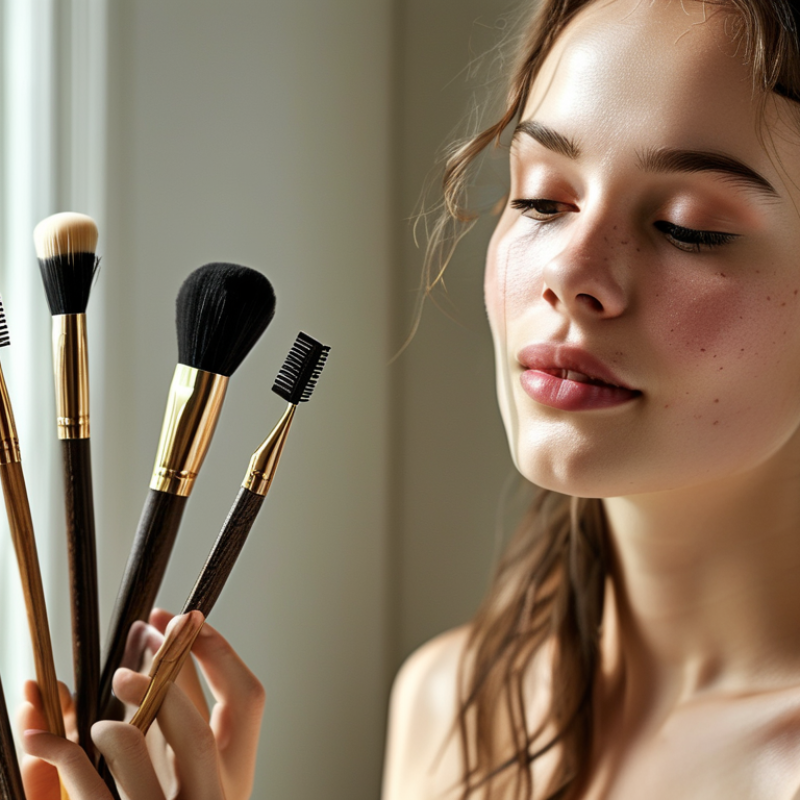
Makeup brushes are often overlooked in our beauty routines. However, regularly disinfecting them is crucial for skin health. Dirty brushes harbor bacteria, oils, and dead skin. These can lead to breakouts and irritations. A simple cleaning routine can prevent these issues.
Understanding the importance of disinfecting brushes starts with recognizing potential risks. When brushes are not cleaned, they can transfer germs back onto your skin. This cycle can create a host of skin problems. Regular maintenance is necessary, even if it feels tedious. Consider developing a schedule that works for you.
Using warm water and a gentle cleanser can be effective. Swirl the brush in the solution, then rinse thoroughly. You might miss spots if you're not careful. Inspect your brushes closely; some areas may require extra attention. Being thorough now saves you skin troubles later. Taking time to care for your tools shows commitment to your beauty regimen.
Makeup brushes are a breeding ground for bacteria. They can harbor common germs like Staphylococcus aureus and E. coli. When brushes are used, they collect skin oils, dead skin cells, and makeup residue. This mixture creates a perfect environment for bacteria to thrive.
Individuals often neglect regular cleaning. Many believe a quick rinse is enough. However, this simple action often leaves harmful bacteria behind. Unclean brushes can lead to breakouts and infections. Realizing that makeup brushes can carry more germs than a toilet seat can be shocking.
To combat this issue, disinfecting your brushes at home is essential. Use gentle soap and warm water to clean them. Soaking them for a few minutes can help remove stubborn bacteria. It’s not just about clean brushes; it’s about maintaining healthy skin. Understanding the risks associated with bacteria on brushes is vital for any makeup lover. Skipping this step can lead to unnecessary skin troubles.
Makeup brushes can harbor bacteria, which may lead to skin issues. A study found that 70% of women do not clean their brushes regularly. Disinfecting your brushes is essential for maintaining skin health and improving makeup application.
To begin, rinse each brush under warm water. This step helps remove excess makeup. Next, prepare a cleansing solution using gentle soap and water. Avoid harsh chemicals, as they can damage bristles. Dip the brushes in the solution, ensuring the bristles are submerged, but be careful not to soak the ferrule. Gently swirl and then rinse thoroughly.
Lastly, reshape the brushes and lay them flat to dry. This method prevents water from seeping into the ferrule. Brushes should dry completely before the next use. Remember, neglecting brush hygiene can lead to skin irritations and breakouts. It's a simple process that can greatly enhance your beauty routine. Frequent cleaning is not just a suggestion; it’s a necessity. Make it a habit.
Disinfecting makeup brushes at home is vital for maintaining healthy skin. While many people overlook this step, it's crucial. Using proper cleaning solutions and tools can make a significant difference.
Start with gentle soap. Look for a natural, mild soap that cleans without harsh chemicals. A brush cleanser designed for professional use can also be effective. Mix the soap with lukewarm water in a bowl. Soak the brushes briefly. But don’t let them sit too long; this can damage the bristles. Rinse thoroughly under running water, ensuring all soap is removed.
A clean towel is essential for drying. Gently reshape the bristles and lay them flat on a clean towel. This positioning prevents water from seeping into the ferrule. Remember, the tools you choose matter. Avoid using anything too abrasive. A soft cloth or a silicone cleaning pad can help. If brushes look worn out, reflect on their care. Regular maintenance is key. If you notice any shedding or damage, you may need to replace them. This will save your skin from potential irritants.
Makeup brushes are essential tools for beauty enthusiasts. However, knowing when to replace them is crucial for maintaining hygiene. Generally, it’s recommended to replace brushes every six to twelve months. Signs of wear, such as frayed bristles or a change in texture, indicate it’s time for a new brush. Brushes that accumulate product buildup or lose their shape can lead to skin issues, like breakouts or irritation.
Regular cleaning is vital, but it’s not always enough. Inspect your brushes frequently. If you notice excessive shedding or an unpleasant odor, it’s a clear sign they need replacing. Even brushes that seem clean on the surface can harbor bacteria over time. Reflecting on your usage habits can help. If you do not clean them frequently, consider replacing them sooner. Taking action now can improve your makeup application and protect your skin's health.
| Brush Type | Recommended Cleaning Frequency | Signs to Replace | Cleaning Method |
|---|---|---|---|
| Foundation Brush | Once a week | Splayed bristles, loss of shape | Gentle soap and water or brush cleaner |
| Eyeshadow Brush | Every 2 weeks | Color transfer, hard bristles | Mild shampoo or dish soap |
| Blush Brush | Once a week | Faded color application, excessive shedding | Baby shampoo or alcohol-free cleaner |
| Lip Brush | After every use | Hard to clean, stiff bristles | Antibacterial wipes or soap |
| Sponges | Once a week | Unpleasant odor, discoloration | Liquid soap and warm water |
: They collect skin oils, dead skin cells, and makeup residue, creating an ideal environment for germs.
Regular cleaning is essential. Do it at least once a week to maintain hygiene and skin health.
No, a quick rinse often leaves harmful bacteria. Proper cleaning with soap and water is necessary.
Look for frayed bristles, changes in texture, or excessive shedding. These indicate it's time for a new brush.
Use gentle, natural soap or a special brush cleanser mixed with warm water. Avoid harsh chemicals.
Reshape the bristles and lay them flat on a clean towel. This helps prevent water from seeping into the ferrule.
An unpleasant odor is a clear sign they need replacing. Don’t ignore it; it may affect your skin.
Frequent checks help catch issues early, even if they seem clean. Bacteria can still accumulate over time.
Yes, they can lead to breakouts and infections. It’s crucial to maintain clean tools for healthy skin.
Ideally, replace them every six to twelve months, or sooner if they show signs of wear or damage.
Disinfecting makeup brushes at home is essential for maintaining skin health and preventing the spread of bacteria. Understanding the importance of regular disinfection helps users realize the potential risks of common germs found on brushes, such as Staphylococcus and E. coli. A thorough step-by-step guide outlines effective methods for cleaning brushes, emphasizing the use of safe cleaning solutions and appropriate tools.
To ensure optimal hygiene, it's crucial to note the frequency of brush cleaning and the signs indicating when brushes should be replaced. Regular maintenance not only prolongs the life of the brushes but also protects your skin from unwanted blemishes and irritations. By following these best practices, anyone can learn how to disinfect makeup brushes at home effectively, ensuring a safe and clean makeup application.
