As the beauty industry evolves, vegan makeup brushes are gaining significant attention. Many consumers now seek cruelty-free and eco-friendly options. The global vegan cosmetics market is projected to reach $20 billion by 2025, indicating a growing demand for sustainable beauty. A key question arises: what are vegan makeup brushes made of? Experts like Dr. Jane Goodwin, a cosmetic scientist, emphasize that “the materials in vegan brushes are crucial for performance and sustainability.”
Vegan makeup brushes typically utilize synthetic fibers. Common materials include Taklon and nylon, which mimic the softness of natural hairs. These fibers are not only cruelty-free but also easier to clean and maintain. As consumers become more aware of their choices, brands are responding. Many are investing in high-quality synthetic materials to meet expectations.
Despite the benefits of synthetic brushes, some consumers are skeptical. They question whether these brushes can deliver similar performance to traditional animal hair brushes. The answer involves understanding the technology behind materials. Brands must communicate effectively about what vegan makeup brushes are made of. This will help build trust. Overall, knowing the composition of these brushes allows consumers to make informed choices that align with their values.
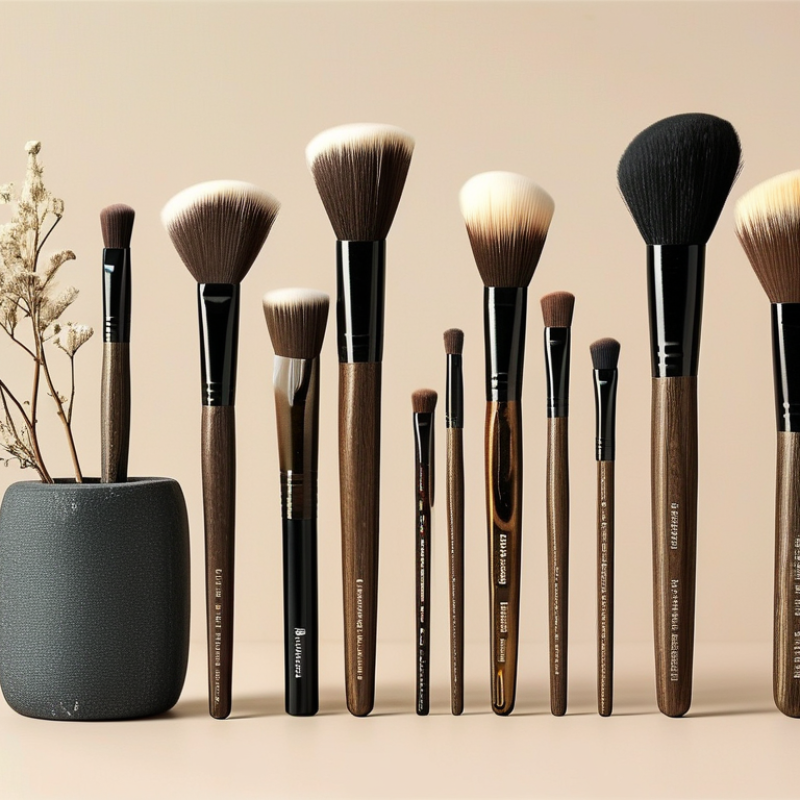
Vegan makeup brushes are an essential choice for those prioritizing ethical beauty. These brushes are typically made from synthetic fibers like nylon or Taklon. Unlike traditional brushes, which often use animal hair, vegan brushes ensure no animals are harmed during production. They are durable, easy to clean, and maintain their shape well.
When selecting vegan makeup brushes, consider the type of fibers used. Softer fibers provide a gentle touch on the skin, while stiffer bristles work well for precise application. Testing the brushes before purchasing can help you find the perfect fit for your makeup routine.
Exploring the benefits of vegan brushes is crucial. They are hypoallergenic, making them suitable for sensitive skin. Without animal-derived materials, you avoid potential allergens. Moreover, purchasing vegan products supports cruelty-free practices. This choice contributes to a kinder beauty industry.
Choosing vegan brushes doesn’t mean sacrificing quality. Some might worry about performance. However, high-quality synthetic brushes often outperform their animal hair counterparts. They offer excellent blending and coverage, proving that ethical choices can deliver stunning results.
When exploring materials used in vegan makeup brushes, it’s essential to focus on sustainability and performance. Vegan brushes typically use synthetic fibers, such as Taklon or nylon, which mimic the feel and application of natural hair. According to a report by the Cosmetics Industry Association, over 75% of consumers prefer cruelty-free products, emphasizing the shift toward ethical sourcing.
Furthermore, the handles of these brushes can be made from recycled plastics or sustainably sourced wood. These materials not only reduce ecological footprints but also enhance durability. A study from EcoWatch revealed that synthetic brushes can last up to five years longer than their animal hair counterparts.
However, some argue that synthetic materials may not hold or distribute makeup as effectively in certain applications. The debate continues on whether synthetic brushes can fully replace traditional options in the professional makeup industry. While many users report satisfaction with their performance, others still prefer the unique qualities offered by natural brushes. This highlights the evolving conversation around vegan makeup tools, and consumers must weigh personal preferences and values in their choices.
When choosing vegan makeup brushes, the comparison between synthetic and natural fibers is crucial. Synthetic fibers, such as nylon and Taklon, offer excellent durability. They are hypoallergenic and do not retain bacteria, making them a popular choice among many makeup artists. Reports suggest that synthetic brushes can last longer, sometimes outliving natural ones by up to 50%. Their performance is consistent, often providing precision in application.
On the other hand, natural fibers like squirrel and sable have been traditional favorites. They are praised for their superior softness and ability to blend products seamlessly. However, natural fibers can be less durable, losing shape and performance over time. Some studies indicate that natural brushes may require more maintenance. This includes regular cleaning to prevent clumping or shedding. They are often more expensive due to the sourcing process, raising questions about ethical practices.
Both options have their pros and cons. Users may find synthetic brushes easier to work with, especially for liquid products. Yet, natural brushes can excel in powder applications, providing that soft touch to the skin. The choice ultimately reflects personal preference and environmental values. Each type demands consideration of sustainability and performance, challenging users to reflect on what matters most in their beauty routines.
The chart above illustrates the popularity of synthetic versus natural fibers in vegan makeup brushes. Synthetic fibers are preferred by 70% of users, while natural fibers account for 30% preference.
When selecting vegan makeup brushes, it’s essential to ensure they are cruelty-free. One way to do this is by researching brands that are transparent about their sourcing and manufacturing processes. Brands should provide clear information regarding their materials. Look for brushes made from synthetic fibers, such as nylon or Taklon, which are great alternatives to animal hair.
Another important aspect is to check for certifications. Reliable vegan makeup brush brands often display cruelty-free logos on their packaging. These certifications can serve as a guiding light in the complex world of makeup. Be wary of brands that make vague statements. They may lack accountability in their claims. Reading reviews from trusted sources can also help you gauge a brand’s commitment to ethical practices.
It's vital to reflect on your choices and understand that not all brushes marketed as vegan are made equally. Some may still engage in non-vegan practices in their production process. Therefore, constant vigilance is required when shopping. Embrace the journey of finding ethical products, and remember that every small decision contributes to a greater change.
| Material | Description | Cruelty-Free | Vegan |
|---|---|---|---|
| Synthetic Fibers | Made from nylon or polyester, mimicking natural hair. | Yes | Yes |
| Taklon | A type of synthetic fiber known for its softness and durability. | Yes | Yes |
| Bamboo | Sustainable material; often used for handles. | Yes | Yes |
| Recycled Materials | Brushed and handles made from recycled plastics. | Yes | Yes |
| Wood | Natural, sustainable materials for handles; check sourcing. | Yes | Yes |
When caring for vegan makeup brushes, proper maintenance enhances their longevity. Cleaning brushes regularly is essential. Use a gentle cleanser to remove makeup residue. Rinse thoroughly until the water runs clear. Avoid hot water, as it can damage the bristles. Remember to reshape the bristles after washing to maintain their form.
Moisture can lead to mold growth in brushes. Always dry them horizontally on a clean towel. This method prevents water from seeping into the ferrule. Store brushes upright in a holder to avoid bristle damage. Frequent use can lead to wear, so alternating brushes is wise.
Caring for brushes sometimes feels overwhelming. It can be easy to neglect cleaning or storing them properly. Reflect on your routine and seek improvement. If dirt accumulates, it can affect makeup application. A bit of upfront effort pays off in the long run, resulting in beautifully maintained vegan brushes.
: Synthetic fibers are durable and hypoallergenic. Natural fibers are softer but less durable.
Yes, synthetic brushes can outlast natural ones by up to 50%. Their performance remains consistent.
Use a gentle cleanser and rinse until the water runs clear. Avoid hot water that can damage bristles.
Yes, natural brushes may lose shape and performance over time. Regular maintenance is needed to prevent this.
Always dry brushes horizontally on a clean towel. This prevents water from seeping into the ferrule.
Storing brushes upright helps avoid bristle damage. It maintains their shape better for longer use.
It can feel overwhelming. Regular cleaning is essential, but many neglect this part of their routine.
Yes, natural brushes often need more cleaning to avoid clumping or shedding, which can be time-consuming.
Consider personal preference, performance, and sustainability. Each choice reflects individual values and beauty needs.
Absolutely, accumulated dirt can impact application quality. Regular care makes a significant difference over time.
Vegan makeup brushes are tools designed to apply cosmetics while avoiding animal-derived materials and cruelty. These brushes typically utilize synthetic fibers such as nylon, polyester, or Taklon, providing a cruelty-free alternative that can perform similarly to traditional brushes made from animal hair. Understanding what vegan makeup brushes are made of is crucial for consumers committed to ethical beauty practices.
In addition to material composition, it’s essential to differentiate between synthetic and natural fibers when selecting vegan brushes, as each type offers unique benefits and applications. Identifying cruelty-free and vegan brush brands can further enhance your purchase decisions, ensuring alignment with your values. To maintain the longevity of these brushes, proper care practices must be observed, including gentle cleaning and appropriate storage techniques. Embracing vegan makeup brushes not only supports ethical beauty but can also lead to a more sustainable beauty routine.
