Top Makeup Brush Manufacturers How to Source Reliable Ones?

Time:2026-10-16 Author:Henry
0%

Choosing the right makeup brush manufacturer can shape your product quality, customer trust, and long-term margins. A soft brush that sheds after three washes is not a small defect. It can damage an entire brand collection.

The real question is not only how to source reliable makeup brush manufacturers. It is how to verify their claims before placing a large order. W. Edwards Deming, a respected quality-management expert, said, “Quality comes not from inspection, but from the improvement of the production process.” His point remains practical for beauty sourcing. A polished sample is useful, but it cannot reveal every factory weakness.

Reliable sourcing requires visible evidence. Request bristle specifications, ferrule materials, handle drawings, production photos, and sample records. Test several brush shapes, including powder, foundation, and angled liner styles. Check shedding, odor, glue strength, balance, and washing performance. Ask how the factory controls color consistency across batches. Confirm minimum order quantities, lead times, packaging options, and corrective-action procedures in writing.

Do not trust perfect promises.

Factory visits or independent audits can expose details that emails hide: crowded worktables, dusty storage areas, or poorly labeled cartons. Still, even a strong supplier may make mistakes. That deserves honest attention. Build a backup plan, approve a pre-production sample, and inspect finished goods before shipment. The cheapest quote often becomes expensive through delays, returns, and rework.

This guide explains how to compare manufacturers, assess production capability, and create a safer sourcing process. It focuses on practical checks, not impressive claims. Reliable partnerships grow through documentation, repeated testing, and clear communication.
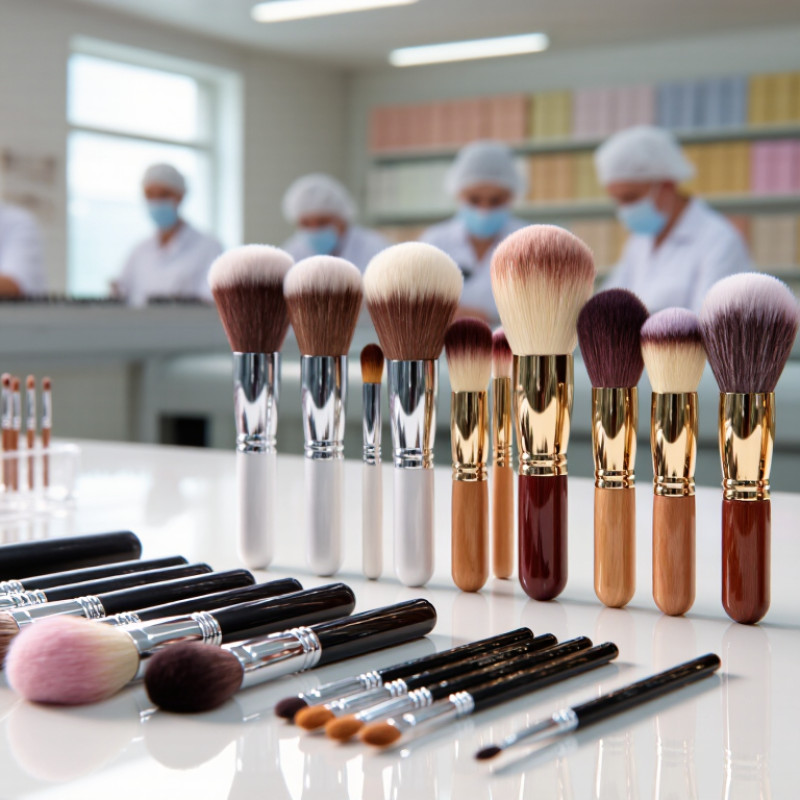
Top Makeup Brush Manufacturers How to Source Reliable Ones?

What Makes a Makeup Brush Manufacturer Reliable?

A reliable makeup brush manufacturer proves consistency before discussing price. McKinsey’s 2023 beauty analysis projects the global beauty market could reach about $580 billion by 2027. Grand View Research also reports steady growth in the cosmetic brush market. Demand is expanding, but rushed production creates avoidable defects. A dependable factory should show material records, production capacity, and recent quality data. Not promises.

During a supplier audit, inspect the details customers touch: ferrules should fit tightly, bristles should shed minimally, and handles should have smooth edges. Ask for batch traceability from fiber selection to final packing. ISO 22716-based hygiene controls are useful, especially when workers handle brushes repeatedly. Independent testing should examine shedding, odor, color transfer, and durability after washing. Samples must match mass production.

A polished showroom can still mislead. I would compare three production batches, not one attractive sample. Check whether the factory documents corrective actions after failures. That record reveals more than a sales presentation. One practical weakness is often overlooked: small factories may offer careful workmanship but lack backup equipment. Larger facilities may provide capacity but weaker communication. The reliable choice balances both, with clear inspection points, realistic lead times, and written acceptance standards. Suppliers should also explain recycled materials honestly, including their limitations. “Eco-friendly” is not a test result.

Leading Makeup Brush Manufacturers and Their Specialties

Reliable makeup brush manufacturers usually specialize rather than produce every format equally. Some focus on dense synthetic fibers for liquid foundation. Others excel at soft, tapered fibers for powder, blush, or precision eye work. A capable factory should explain fiber diameter, ferrule material, handle coating, shedding controls, and washing performance. Vague answers are a warning sign.

Market demand supports careful sourcing. Grand View Research estimated the global makeup market at about USD 40 billion in 2023, with continued growth through 2030. McKinsey’s 2023 beauty analysis also projected roughly 6% annual beauty-market growth through 2027. These figures suggest stronger competition, but larger demand does not guarantee better manufacturing. Buyers still need sample testing, production records, and batch-level inspection.

Look for manufacturers with documented cosmetic Good Manufacturing Practice procedures, commonly aligned with ISO 22716 principles. Ask for test results covering shedding, odor, color transfer, handle durability, and adhesive stability. Synthetic fiber specialists may provide more consistent shapes and easier repeat production. Natural-fiber specialists may offer distinctive softness, but quality can vary between batches. That difference matters.

A factory visit can reveal practical details. Check whether loose fibers collect near packing tables. Inspect how finished brushes are protected from dust. Request three samples from separate production runs. One perfect sample proves very little. Price remains tempting. My own sourcing mistake would be trusting polished samples without testing after repeated washing. Reliability is measured after use, not during a sales presentation.

How to Evaluate Makeup Brush Quality and Production Standards

Reliable makeup brush sourcing begins with controlled quality checks, not attractive packaging. During factory evaluations, I inspect bristle density, ferrule alignment, handle balance, and glue stability. A well-made brush should feel even in the hand and shed minimally after repeated washing. I test ten samples from different cartons, not only the sample selected by sales staff. This exposes variation between batches. Small differences matter. Ask for material specifications, inspection limits, and approved sample records. Natural or synthetic fibers need clear descriptions and consistent grading. Vague terms create avoidable risk.

Production standards should be visible on the factory floor. Check whether incoming fibers, ferrules, handles, and adhesives receive documented inspections. Workers should follow written assembly steps, hygiene controls, and defect criteria. Traceability is essential. Each batch should connect to production dates, raw materials, operators, and inspection results. Request recent quality records, test methods, and corrective-action reports. Independent testing can assess shedding, odor, color transfer, pull strength, and wash durability. The exact method matters. A pass result without sample size or conditions proves little.

I also compare pilot runs with mass production, because quality often shifts under pressure. A factory may present excellent prototypes yet miss alignment during high-volume assembly. Visit the line when possible, and observe rework, storage, ventilation, and packing protection. Ask how complaints are investigated and how changes are approved. I once treated a clean sample as sufficient evidence; that judgment was too optimistic. A stronger review combines physical testing, production records, worker training, and transparent communication. No audit catches everything. Build practical limits and recheck them regularly.

Top Makeup Brush Manufacturers: How to Source Reliable Ones? — How to Evaluate Makeup Brush Quality and Production Standards

Evaluation Dimension What to Check Recommended Benchmark or Evidence Why It Matters Common Warning Signs Priority
Fiber Material Confirm whether the brush uses synthetic filaments, animal hair, or a declared blend. Review fiber softness, taper, resilience, and consistency. Material composition should be clearly documented, with production samples matching the approved specification. Fiber type affects application performance, durability, cleaning behavior, and suitability for vegan product lines. Undeclared material substitutions, inconsistent fiber color, rough tips, or strong chemical odor. High
Fiber Shedding Perform repeated dry handling, bending, tapping, and cleaning tests on finished brushes. No visible shedding, bald spots, or loose bundles during normal handling and cleaning simulations. Excessive shedding indicates weak fiber retention and can reduce user confidence and brush service life. Loose hairs around the ferrule, uneven density, or visible gaps after light pulling. High
Ferrule Attachment Inspect the connection between the ferrule, adhesive, and brush head. Check for movement, gaps, corrosion, and adhesive overflow. Ferrule should remain firmly attached without rattling or rotating under normal hand pressure. A secure connection prevents premature failure and supports consistent brush control. Loose ferrules, visible glue, sharp edges, uneven crimping, or separation after cleaning. High
Handle Construction Review handle material, balance, surface finish, dimensional consistency, and resistance to cracking or peeling. Handles should be straight, comfortable to hold, free from splinters, and consistent with approved drawings or samples. Ergonomic and durable handles improve usability and reduce returns caused by cosmetic or structural defects. Warping, paint flaking, rough seams, hollow sounds, or inconsistent length and diameter. Medium
Brush Shape and Density Compare head profile, symmetry, trim accuracy, density, softness, and product-to-product consistency. Production units should match the approved golden sample within documented visual and dimensional tolerances. Shape and density directly influence blending, precision, coverage, and repeatability during makeup application. Asymmetrical heads, uneven trimming, compressed fibers, or significant variation between units. High
Hygiene and Cleanliness Review factory cleanliness, storage conditions, dust control, worker hygiene, and finished-goods packaging. Finished brushes should be clean, dry, odor-controlled, and individually protected against dust and handling contamination. Brushes contact the face and may be used with cosmetic products, so cleanliness is essential for consumer acceptance. Dust, fibers, oil marks, moisture, insect contamination, or unprotected bulk storage. High
Chemical and Material Safety Request applicable material declarations and test documentation for coatings, adhesives, plastics, metals, and packaging. Documentation should identify materials and support compliance with the destination market's applicable chemical-safety requirements. Coatings and adhesives may create odor, skin-contact, or regulatory concerns if poorly controlled. Missing declarations, unexplained odor, undocumented coatings, or refusal to provide basic compliance records. High
Color and Surface Finish Check color consistency, logo or artwork application, gloss level, scratches, stains, and coating adhesion. Use an approved color standard and documented visual inspection criteria for every production batch. Cosmetic defects are highly visible on makeup tools and can damage perceived product value. Color mismatch, bubbling, peeling, fingerprints, scratches, or inconsistent printing. Medium
Quality Control System Assess incoming-material inspection, in-process checks, final inspection, defect classification, and corrective-action procedures. The manufacturer should maintain written inspection records, sampling rules, traceability, and documented corrective actions. A repeatable quality system is more reliable than visual claims made during a factory visit. No inspection records, undefined acceptance criteria, or repeated defects without corrective action. High
Production Capacity Verify equipment, skilled labor, monthly capacity, production lead time, and ability to handle peak demand. Capacity claims should be supported by equipment lists, workflow evidence, staffing information, and recent production records. Capacity planning reduces delays, rushed production, and quality variation during large or seasonal orders. Unclear subcontracting, unrealistic lead times, overcrowded production areas, or limited finishing equipment. Medium
Sample Approval Process Confirm whether the supplier can provide prototypes, revised samples, a signed specification sheet, and a retained golden sample. Mass production should begin only after written approval of the final sample, materials, dimensions, packaging, and artwork. Formal approval limits disputes and gives both parties a clear quality reference. Requests to skip pre-production samples or reliance on informal verbal approval. High
Testing and Durability Evaluate shedding, handle strength, ferrule security, washing resistance, odor, packaging abrasion, and colorfastness. Test methods and acceptance limits should be agreed before production and applied to representative samples. Testing identifies failures that may not be visible during a basic visual inspection. Only one sample tested, no written results, or testing performed after shipment. High
Packaging Protection Inspect individual sleeves, protective caps, inserts, cartons, moisture protection, and shipping configuration. Packaging should prevent deformation, dust exposure, scratching, and moisture damage during transport and storage. Good packaging preserves the approved appearance and shape until the product reaches the customer. Crushed heads, insufficient internal protection, loose items, or cartons without basic shipping identification. Medium
Traceability Check whether raw materials, production batches, inspections, operators, and shipment cartons can be linked through records. Each production lot should have identifiable records covering materials, dates, inspection results, and quantity. Traceability speeds up root-cause analysis, recalls, replacement decisions, and supplier improvement. Unlabeled cartons, missing batch records, or inability to identify the source of defective units. High
Communication and Documentation Evaluate response time, technical understanding, quotation clarity, change control, and accuracy of commercial documents. Specifications, quotations, lead times, tolerances, packaging details, and revision history should be written and consistent. Clear documentation reduces misunderstandings and makes supplier performance measurable. Frequent contradictions, vague answers, undocumented substitutions, or delayed responses to quality questions. Medium
Pre-Shipment Inspection Arrange an independent or buyer-led inspection using approved samples, specifications, quantity checks, and defect limits. Inspection should cover appearance, function, dimensions, packaging, quantity, and randomly selected cartons before release. Pre-shipment inspection provides a final control point before international transport or payment completion. Supplier discourages inspection, restricts access to finished goods, or offers inspection only after shipment. High
Practical sourcing checklist for comparing makeup brush manufacturers without relying on company or brand names. Benchmarks should be adapted to the product design, destination market, and agreed technical specification.

Key Factors for Comparing Prices, Services, and Minimum Orders

Top Makeup Brush Manufacturers: How to Source Reliable Ones?

Comparing makeup brush manufacturers requires more than a low quotation. A reliable supplier explains fiber grades, ferrule materials, handle finishes, and packing methods. Ask for a sample set before discussing volume. Examine shedding after repeated washing, uneven trimming, loose ferrules, and adhesive odor. Small details reveal production discipline.

Price comparisons work best with identical specifications. Request a line-by-line quote covering brush materials, logo application, packaging, inspection, and delivery terms. A cheaper unit price may hide mold fees, color surcharges, or expensive replacement orders. In practical sourcing, a mid-range quote often proves safer when quality records are clear. Still, payment terms can change the real cost. Calculate landed cost, not only factory price.

Service deserves measurable questions. Can the supplier send a technical drawing within two working days? Who approves a color change? What happens when ten percent of a batch fails inspection? Clear answers show accountability, although promises are not proof. Compare minimum order quantities by style, color, and packaging, because one large MOQ may create slow-moving stock. Smaller trial orders reduce exposure, but they can raise unit prices. That trade-off needs honest review. A common sourcing mistake is underestimating packaging space; brushes may arrive safely, yet storage becomes a problem.

Steps to Source and Verify the Right Makeup Brush Supplier

Finding reliable makeup brush manufacturers requires more than comparing catalog photos. Define your needs before contacting suppliers. List brush shapes, fiber types, handle materials, ferrule finishes, packaging, and target quantities. Request technical sheets and recent production photos. A dependable supplier should explain material choices clearly, not hide behind polished claims. Ask for samples from the same production line used for bulk orders. Check shedding, odor, softness, glue strength, and handle balance after repeated washing.

Tips: Speak with at least three suppliers. Compare sample quality, response speed, minimum order quantities, and production timelines. Ask for factory audit records, quality-control procedures, and references from similar projects. Verify business registration and confirm whether production is handled internally or outsourced. A short video call can reveal useful details, such as dusty worktables or inconsistent inspection steps. Small clues matter.

Before placing a large order, approve a written sample standard. Include measurements, color references, logo placement, packaging details, and acceptable defect limits. Test several pieces from each sample batch, not only the best-looking one. Request a pre-shipment inspection with documented results. Payment terms also deserve attention; avoid arrangements that offer no practical protection. I have seen attractive samples fail during mass production, so confidence should remain provisional. Leave room for correction. A supplier who accepts reasonable feedback is often more reliable than one promising perfection.

FAQS

What makes a makeup brush manufacturer reliable?

A reliable manufacturer provides material records, capacity details, and recent quality data. Promises alone are not enough.

What should I inspect in a makeup brush sample?

Check tight ferrules, smooth handle edges, even trimming, and minimal bristle shedding. Also notice unusual adhesive odor.

Why should I compare several production batches?

One attractive sample can mislead. Compare three batches for color consistency, durability, trimming, and ferrule strength.

How can batch traceability improve quality control?

Traceability connects fiber selection, assembly, inspection, and packing. It helps identify where a defect began.

What testing should a supplier complete?

Testing should examine shedding, odor, color transfer, and durability after repeated washing. Mass production should match approved samples.

How should I compare manufacturer prices?

Use identical specifications and request line-by-line quotes. Include materials, finishes, customization, packaging, inspection, and delivery terms.

Why is the lowest unit price sometimes misleading?

Extra mold fees, color charges, weak packaging, or replacement orders can increase the final cost. Calculate landed cost.

How should I evaluate minimum order quantities?

Compare minimums by style, color, and packaging. Smaller trial orders reduce risk, but their unit prices may rise.

What service questions should I ask before ordering?

Ask about technical drawings, color approval, failed-batch handling, and inspection timing. Clear answers help, but records matter more.

Can smaller factories be better than larger facilities?

Smaller factories may offer careful workmanship but limited backup equipment. Larger facilities may provide capacity but weaker communication. The balance is imperfect.

Conclusion

Finding dependable makeup brush suppliers requires more than comparing product photos or low prices. This guide explains how to identify reliable manufacturers by examining their material selection, bristle softness, handle durability, assembly precision, quality-control procedures, production capacity, and ability to maintain consistent standards. It also outlines how different manufacturers may specialize in mass production, customized designs, professional brush sets, or environmentally conscious materials.

The article further discusses how to evaluate brush performance, packaging, sampling processes, certifications, communication, minimum order quantities, lead times, and after-sales support. By comparing pricing transparently and requesting samples, factory details, and production documentation, buyers can reduce sourcing risks. Following a structured process for supplier research, verification, testing, negotiation, and small trial orders provides practical guidance on how to source reliable makeup brush manufacturers and build a stable long-term supply relationship.

Henry

Henry

Henry is a dedicated marketing professional with a profound expertise in the company's offerings. With years of experience in the industry, he possesses an impressive understanding of the market dynamics and consumer behaviors that drive success. Henry is committed to sharing his insights through......