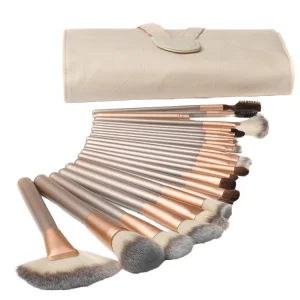
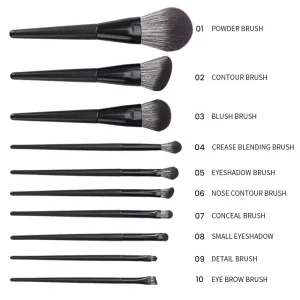
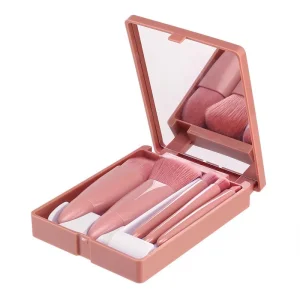
Hot-Sourcing Highlighting & Cosmetic Brush Sets
Explore our top-selling custom formulations and brush sets designed for professional brands and cosmetic retailers globally.
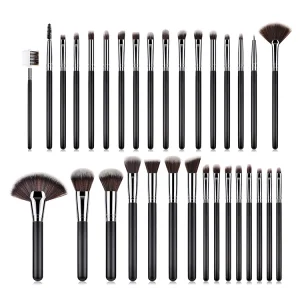
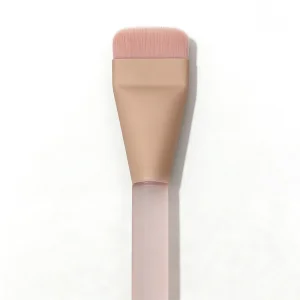
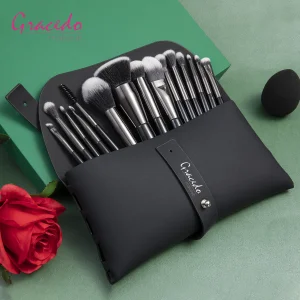
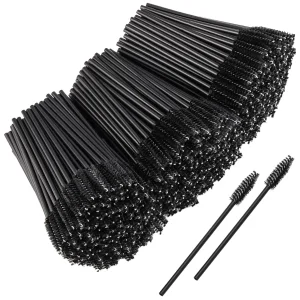
Commercial & Industrial Status of the Cosmetic Brush Industry
The global highlighting brush market has evolved from simple aesthetic tools to highly engineered technical instruments. With the surge of high-definition cosmetics, strobing techniques, and mineral-based glowing powders, makeup artists and retail consumers demand specialized geometry in brush heads. Key components such as fan brushes, tapered highlighting domes, and angled diffusers have become core to cosmetic collections worldwide.
Historically concentrated in regional artisan hubs, modern manufacturing has scaled through advanced automation and polymer science. China remains the undisputed global hub for cosmetic brush export, producing over 75% of global supply. Industrial belts in Guangdong and Hebei leverage localized raw material access—such as synthetic filament extrusion plants, aluminum ferrule anodizing factories, and premium wood turners—to deliver high-throughput and custom packaging. This concentration allows factories to support small-to-large-scale global cosmetic brands with flexible MOQs (Minimum Order Quantities) and dynamic prototyping cycles.
Technological Sourcing Trends & Fiber Science
Evaluating the transition to advanced polymers, biodegradable substrates, and zero-shedding engineering.
Next-Gen Synthetic Filaments
Traditional goat or squirrel hair is rapidly being replaced by engineered PBT (Polybutylene Terephthalate) and PET fibers. Technologies like BASF's textured synthetic filaments mimic the cuticle structure of natural hair, optimizing the pickup and release of fine highlighters while remaining 100% cruelty-free.
Eco-Friendly Handles
Consumer demand for sustainability has driven the adoption of FSC-certified timber, post-consumer recycled (PCR) plastics, and composite agricultural waste materials such as wheat straw. These materials significantly reduce carbon footprint without sacrificing handle weight or mechanical strength.
Double-Crimping Integrity
To prevent fiber shedding during heavy cleansing cycles, high-grade manufacturers implement hydraulic double-crimping methods. Combined with polyurethane-based industrial resins, these ferrules bind the hair bundles securely to the handle, ensuring durability.
Localized Application Scenarios & Global Compliance
Purchasing habits and compliance criteria vary highly across key geographic cosmetics markets. In North America (specifically the United States and Canada), brands prioritize strict FDA safety regulations for colorants, alongside certification from vegan advocacy groups like PETA. The target consumer prefers dramatic highlight effects, which favor larger fan brushes and fluffy angled brushes designed to sweep highlighting formulas across the cheekbones.
Conversely, the European Union operates under the stringent REACH regulations, banning specific phthalates, plasticizers, and heavy metals from cosmetic handles and ferrules. Sourcing managers targeting Western Europe place a premium on recyclable packaging and biodegradable handles (such as wheat straw and bamboo). Their target demographics generally prefer subtle, natural glass-skin glows, meaning they source small, tapered blending brushes for precision product placement.
In the Asia-Pacific (APAC) and Middle Eastern markets, high relative humidity and specific base-makeup trends impact product design. APAC buyers request ultra-soft, low-density synthetic fibers that do not disrupt dewier liquid foundations underneath, while Middle Eastern buyers skew toward high-density brushes designed for pigmented strobing powders and intense contour lines.
Technology Roadmap & Sourcing Outlook (2025 - 2030)
The technological path ahead for custom cosmetic brush manufacturing, tooling, and supply chain tracking.
Phase 1: Multi-Dimensional Fiber Profiling
Developing hybrid-engineered bristles that integrate hydrophobic coatings. This allows a single brush to switch effortlessly between liquid, cream, and dry powder highlighters without pigment clumping.
Phase 2: Fully Circular Material Supply Chains
Phasing out all petrochemical handle binders in favor of PLA (Polylactic Acid) resins derived from fermented plant starch. Implementing closed-loop production where handle scrap is immediately ground and re-molded.
Phase 3: Automated Robotics & AI Defect Detection
Deploying high-speed robotic tufting and laser-guided hair alignment systems. Computer-vision systems scan individual brush heads for stray fibers, reducing manual QA bottlenecks and keeping defect rates under 0.1%.
Guangzhou Kalt Beauty Co., Ltd.
Guangzhou Kalt Beauty Co., Ltd. is a professional China makeup brush set manufacturer specializing in the design, development, and production of high-quality cosmetic brushes and private label beauty tools. With years of experience in the beauty industry, Kalt Beauty is committed to providing innovative, stylish, and premium makeup accessories for global brands, wholesalers, distributors, and retailers.
Our extensive product portfolio includes makeup brush sets, foundation brushes, powder brushes, blush brushes, eye makeup brushes, kabuki brushes, travel brush kits, and various beauty tools. We offer a wide range of customization options, including brush shapes, handle materials, ferrule finishes, logo printing, packaging design, and private labeling services to help customers build distinctive beauty brands.
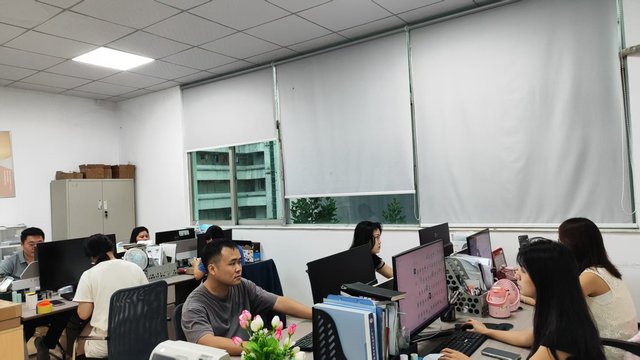
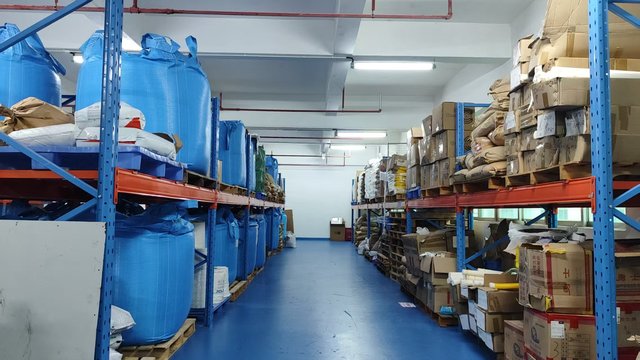
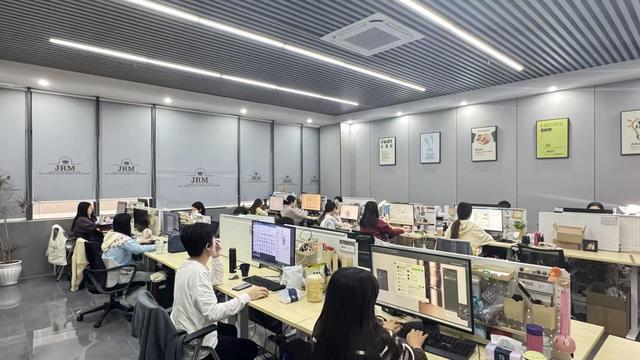
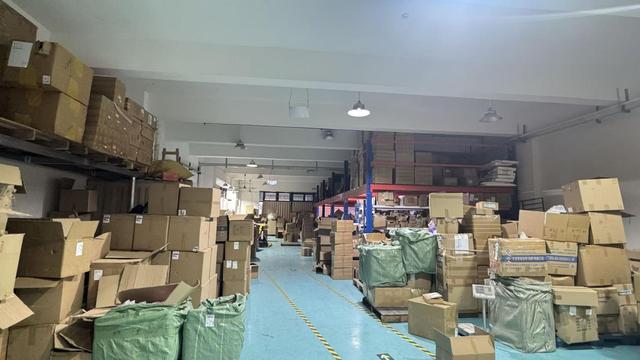
At Kalt Beauty, quality is at the core of everything we do. We carefully select premium synthetic and natural fibers to ensure superior softness, durability, and flawless makeup application. Our modern manufacturing facilities and strict quality control processes guarantee that every product meets international quality standards and customer expectations.
As a reliable OEM and ODM cosmetic brush factory in China, we provide one-stop solutions from product concept and sampling to mass production and global delivery. Our experienced R&D team continuously follows the latest beauty trends, enabling us to develop fashionable and market-oriented products for customers worldwide.
Driven by innovation, craftsmanship, and customer satisfaction, Guangzhou Kalt Beauty Co., Ltd. has established long-term partnerships with clients across North America, Europe, the Middle East, Southeast Asia, and other international markets.
Kalt Beauty is dedicated to becoming your trusted partner for custom cosmetic brushes and private label beauty tools.
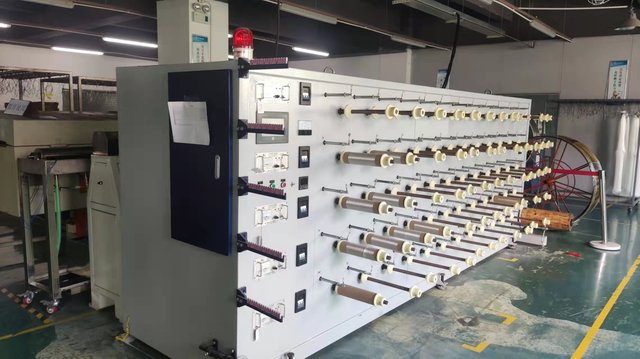
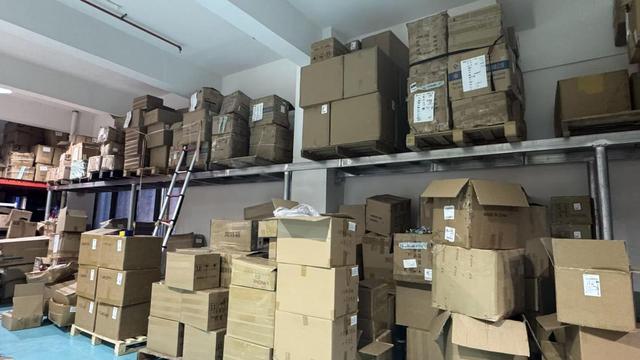
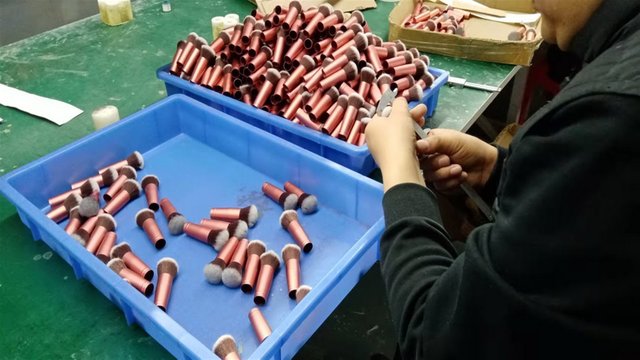
Production Facility & Quality Inspection
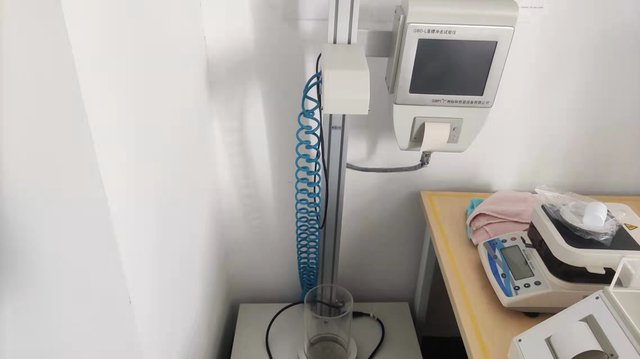
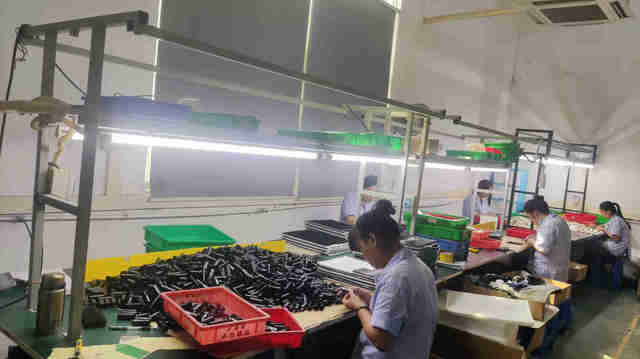
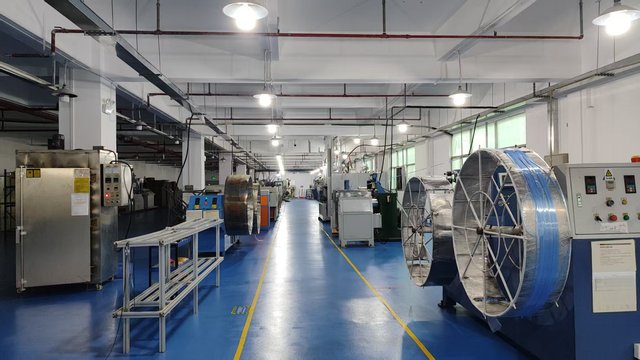
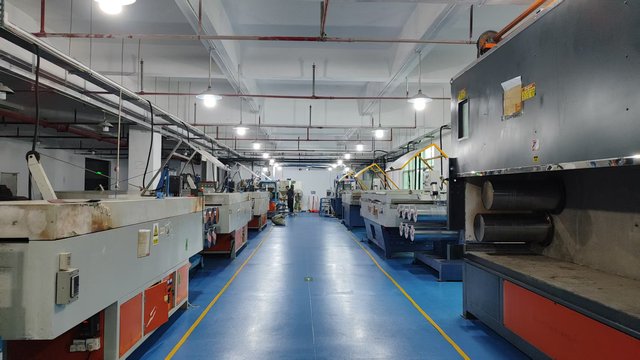
Macro-Industry Sourcing Solutions & QC Checklist
Before placing an import order, global procurement teams must audit suppliers using strict quantitative criteria.
1. Ferrule Pull & Glue Test
Verify that the manufacturer uses dual-component epoxy resins. Samples should be subjected to a 3-kilogram pull test to ensure the ferrule does not separate from the handle under repeated pressure.
2. Sanitization & Safety Audit
Ensure the factory operates UV-C sanitization tunnels prior to packaging. Brushes should be free of microbial contaminants, meeting cosmetic safety guidelines in destination markets.
3. Compliance Certifications
Demand verified documentation. Trusted suppliers must display ISO 9001 quality management, BSCI social compliance audits, and material safety data sheets (MSDS) for adhesives and synthetic coatings.
Sourcing Highlighting Brushes FAQ
Key logistical and technical questions answered by our industry experts.
What are the primary differences between synthetic and natural fibers for highlighting?
Synthetic fibers (PBT/nylon) have non-porous surfaces, making them highly sanitary and excellent for liquid and cream highlighters. Natural hairs (goat, pony, squirrel) have microscopic scales (cuticles) that trap loose powder pigments well but are harder to wash and raise sustainability and animal cruelty concerns. Modern textured synthetics combine the benefits of both.
How can I verify a manufacturer's claims of REACH and FDA compliance?
Buyers should request third-party lab testing certificates (such as those issued by SGS, TÜV, or Intertek) verifying that handles, varnishes, glues, and metals contain no restricted chemicals (heavy metals, plasticizers, formaldehyde) exceeding regulated levels.
What are the standard lead times and MOQs for OEM orders?
Standard MOQs range from 1,000 to 3,000 sets per style depending on raw material customization. Standard production lead times generally range between 35 and 45 days after the design approval and deposit receipt.
Can handles be made from 100% biodegradable materials?
Yes. Natural bamboo, FSC wood with non-toxic lacquer, and wheat straw composite resins are popular biodegradable options. While wheat straw resin contains a polymer binder to maintain durability, it uses significantly less petroleum than traditional plastic handles.
Innovative Cosmetic Tools & Accessories
Browse further selections from our catalog, ranging from sustainable single pieces to comprehensive professional kits.